Our story
It started with a mother who wasn’t sure how to show up.
Wiconi Lecala was not founded at a board table. It was founded by Connie Hopkins, who had two sons go to prison, learned late what it costs a family, and decided nobody else would go through it without a voice on the outside.
She has run it since 2015. There is still no payroll.
Our mission
We are dedicated to coming together as a support group to provide unwavering support and advocacy for our loved ones who are incarcerated. Through compassion, education and action, we aim to uplift their voices, promote their rights, and foster a system of rehabilitation and reintegration, ensuring that no one faces their journey alone.South Dakota Men, Women and Two-Spirited Prisoners Support Group
How it began
When Connie’s oldest son went to prison in the mid 2000s, she thought he was going somewhere like a boys’ school. She knew nothing about prison. He served four years, and in that time she never wrote to him. She was not supportive, and she says so plainly. Her mother was the one who wrote.
Years later her youngest son went in. Her oldest, home by then, told her something she has never forgotten: if his baby brother was inside, he would find a way to go back in himself to protect him.
That was the day she went looking for help.

“I need to learn the ways of being more supportive besides the letters and sending money.”Connie Hopkins
What the work turned out to be
She found a support group that was about to fold. The president told the room it would close unless someone took it over. Connie said of course we cannot just leave them like that. She took it on, found board members, and that was 2015.
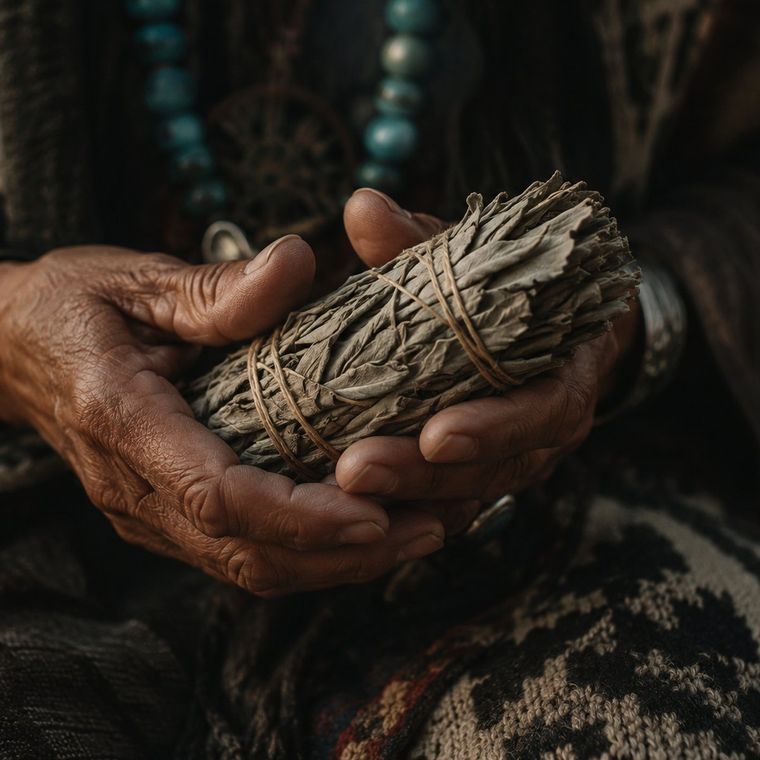
It was never a monthly meeting. Letters came out of the facilities already written, waiting for her. She was invited to town halls and spiritual conferences inside. Men asked for sage, cedar and the things their ceremonies require.
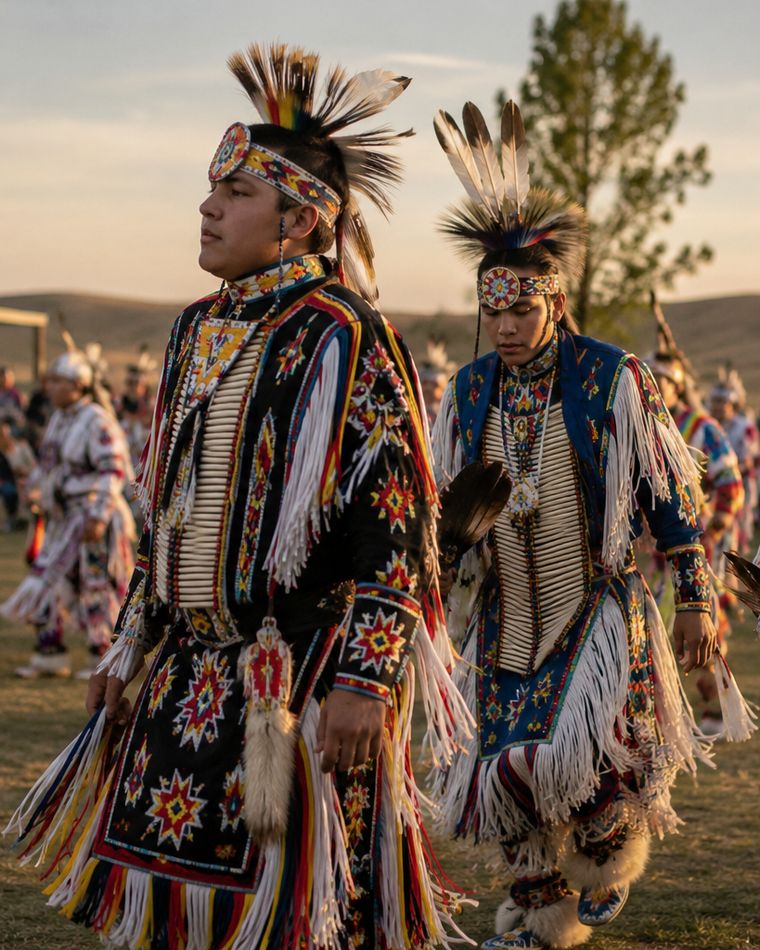
She was raising nine grandchildren at the time. The children came along to the powwows. It blended together, she says, because it had to.
Across the state
The Hill in Sioux Falls. The Jameson Annex behind it. Springfield. And the women’s prison in Pierre, where she was asked to come because the women had been left out entirely, with nobody running an inipi for them.
Their library was falling apart, paperback spines splitting. Western South Dakota Community Action had boxes of books. Connie loaded five or six boxes, as many as her van could carry alongside the sage, and drove them up.
She had also planned to bring sewing machines so the women could make their own ribbon skirts, and offered to teach them. Then the facility changed coordinators and the plan stalled. She still intends to do it.
Native American beliefs are practiced but not required.
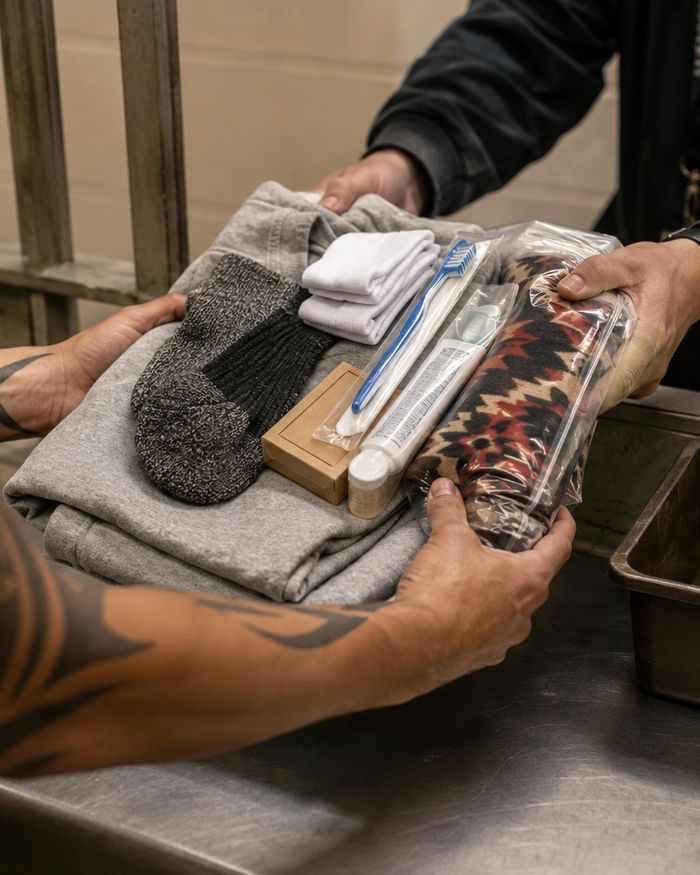
“They felt so blessed. It was just like seeing kids smile. They were so happy.”On bringing a spiritual leader inside
One Sunday
Three prisons asked for sage at once.
That is a lot of sage. Connie went to bed thinking about it on a Saturday night, and dreamed she saw an abundance of it.
Sunday morning she told the grandchildren they were going for a ride. They took scissors and trash bags. She drove toward Hot Springs and Hill City, a direction she had never gone before, and pulled in somewhere she had never been. The road came to a Y, and she went right. She says it was like being guided.
Two or three blocks on, off the right hand side, the sage stood up over her hip. The children got out and started cutting. She filled a bag the size of a kitchen table, packed full, and delivered it.
“That there was an awesome, awesome blessing.”
How it grew
One woman, one van, ten years
She takes it over
The South Dakota prisoner support group is about to fold. Connie accepts it, recruits board members, and begins answering letters from inside.
Inside the walls
Invitations to town halls and spiritual conferences. She begins delivering sage, cedar and ceremonial materials to facilities across the state.
The women’s prison
Asked to come to Pierre because the women had no support and no inipi. She brings books for a failing library and plans ribbon skirt sewing.
Meeting people at the door
Release-day work begins in earnest at the Rapid City unit: clothing, rides, IDs, job applications, and a phone number that always answers.
Voices begins
Her son starts a weekly meeting with a meal for men who have come home, running under Wiconi Lecala.
Housing, and a wider circle
A women’s talking circle is forming, and the long-term work is transitional housing in Rapid City for people in their first year home.
Dates are approximate. Connie has been doing this work continuously since 2015.
Where we go
Five facilities, one van
Connie drives these routes herself, carrying materials in and people out.
Rapid City
The community alternatives unit on Highway 79, where most release-day work happens.
Sioux Falls
The penitentiary and the Jameson Annex behind it, on the far side of the state.
Springfield
Mike Durfee State Prison, in the southeast corner.
Pierre
The women’s prison, where support had been almost nonexistent before she came.
Who we are
The people behind it
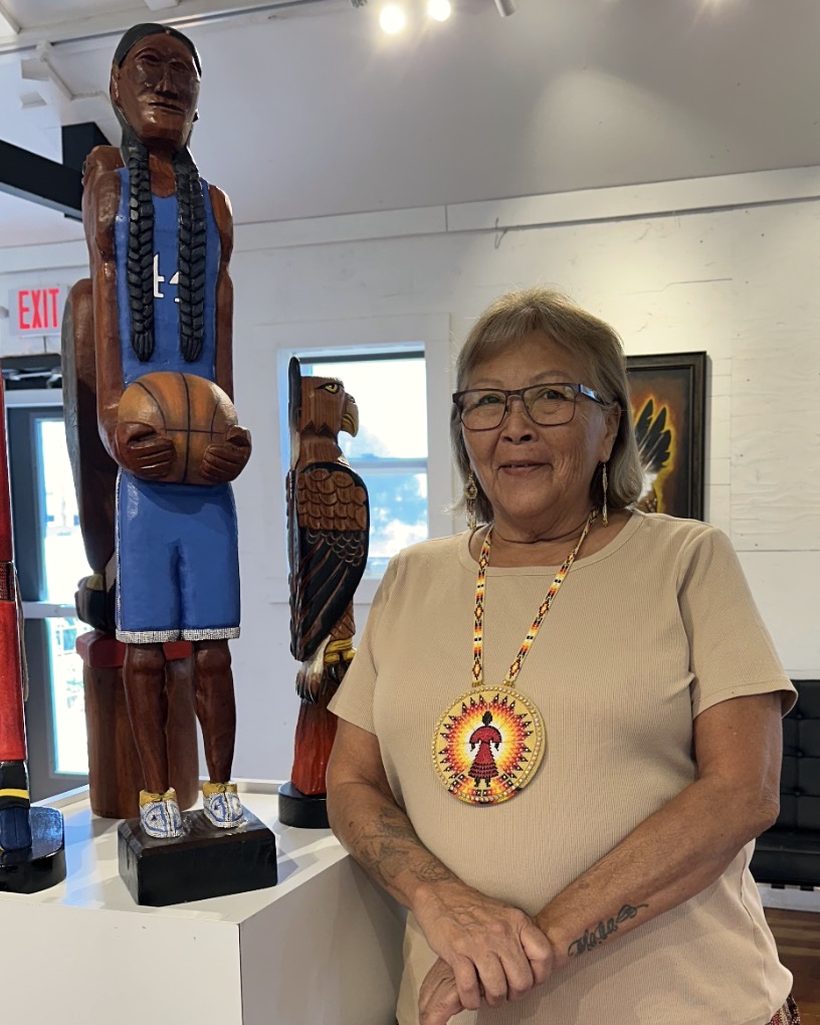
Connie Hopkins
Founder & Director
Connie built Wiconi Lecala from the ground up through hands-on work with the people she serves, from harvesting cedar and sage to organizing taco and popover sales to fund a Wacipi. She answers her own phone, at every hour.

Anna Hoover
Volunteer
Anna came to the work through Connie and now helps carry the outreach: writing to community partners, connecting resources across the Dakotas, and building the case for local businesses to stand alongside this mission.

Mega McCloskey
Assistant to the Director
Mega works alongside Connie on the events and the fundraisers, speaks with people on our behalf when she is needed, designs the flyers for our sales, and makes the calls that keep it all moving.
Wiconi Lecala is governed by a volunteer board. Nobody here draws a paycheck.
Walk with us
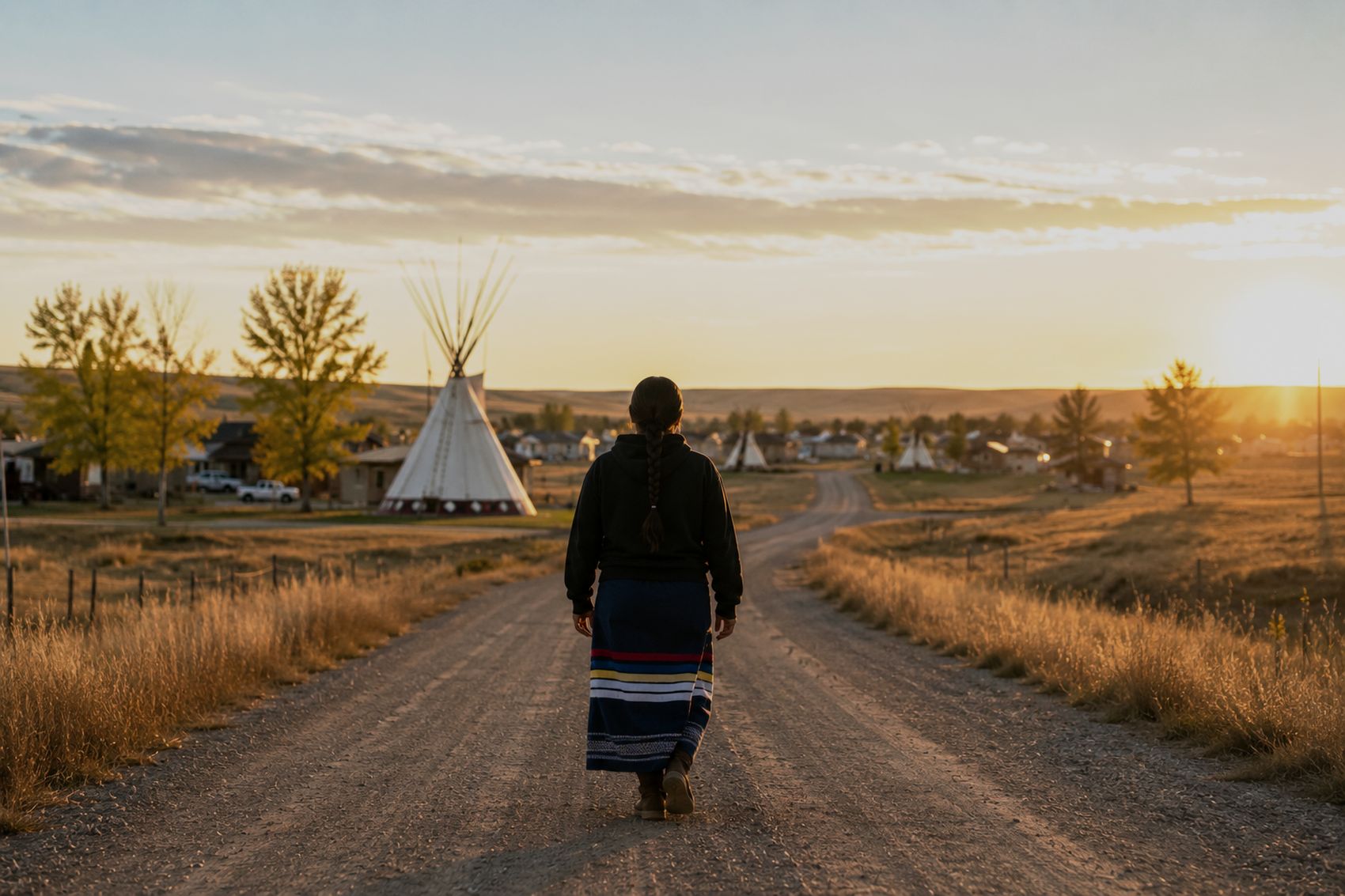
She has been doing this alone for ten years.
Give once, give monthly, give goods, or give a few hours. All of it lands in Rapid City.
Support the work